
¡Acompáñanos a viajar por el mundo de los libros!
Añadir este libro a la estantería
Grey
Escribe un nuevo comentario Default profile 50px
Grey
Suscríbete para leer el libro completo o lee las primeras páginas gratis.
All characters reduced
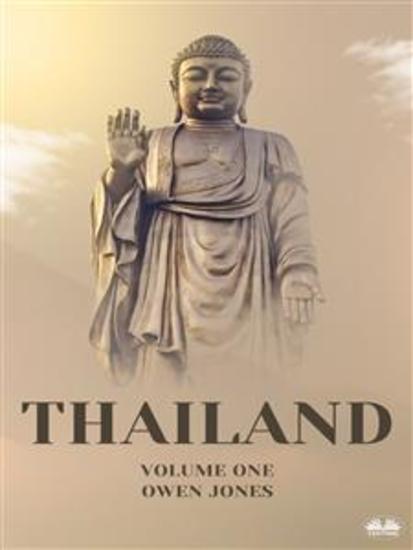
Thailand - Unlocking The Secrets Of The Land Of Smiles - cover

Thailand - Unlocking The Secrets Of The Land Of Smiles

Owen Jones

Editorial: Tektime

  • 0
  • 0
  • 0

Sinopsis

Nestled in the heart of Southeast Asia, Thailand is a country that effortlessly weaves together a tapestry of tradition, modernity, and natural beauty. Having explored its vibrant streets, tasted its delectable cuisine, and absorbed the warmth of its people, I invite you to embark on a journey through the enchanting Kingdom of Thailand.
In 'Thailand: Unlocking the Secrets of The Land of Smiles”, I'll guide you through the hidden gems and well-trodden paths, offering insights that only an intimate knowledge of this land can provide. Every page is an invitation to experience the country as if you were strolling its vibrant streets.
As a seasoned traveller with roots in Thailand, I'll share the stories, traditions, and quirks that make this nation truly unique. We'll delve into the rich tapestry of Thai culture, uncovering the customs that shape everyday life. Through these pages, you'll come to understand the profound influence of Buddhism, witness the exuberance of festivals, and savour the flavours of Thai cuisine - a tantalizing fusion of sweet, sour, salty, and spicy.
So, whether you're planning your first visit or seeking a deeper understanding of a country that holds a special place in your heart, ”Thailand - Unlocking the Secrets of The Land of Smiles” promises to be your trusted companion. Let's embark on this journey together, as we uncover the magic that defines the Land of Smiles.PUBLISHER: TEKTIME
Disponible desde: 27/01/2024.
Longitud de impresión: 137 páginas.
Otros libros que te pueden interesar

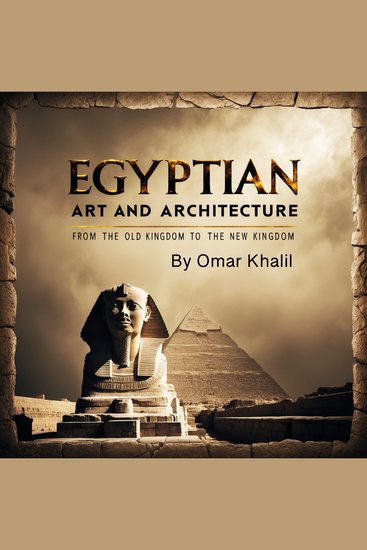
  • Egyptian Art and Architecture - From the Old Kingdom to the New Kingdom - cover

    Egyptian Art and Architecture -...

    Omar Khalil

    • 0
    • 0
    • 0
    The art and architecture of ancient Egypt are deeply intertwined with the civilization’s religious beliefs and cultural practices. Spanning over three millennia, these artistic expressions were not merely decorative but held profound symbolic meanings, reflecting the Egyptians’ worldview and their connection with the divine. The foundations of Egyptian art and architecture were laid during the early dynastic period, evolving through distinct stages that shaped the visual language of one of history’s most iconic civilizations. 
    Religion played a central role in shaping the aesthetic and thematic aspects of Egyptian art. Temples, tombs, and monuments were designed as sacred spaces, serving as a bridge between the human and divine realms. The concept of Ma’at, representing order and harmony, influenced the geometric precision and symmetrical layouts seen in temple complexes and pyramid construction. Deities were depicted with specific attributes, emphasizing their powers and roles within the cosmos. This symbolic representation extended to Pharaohs, who were portrayed as divine intermediaries, blending human and godly features to signify their sacred status. 
    Symbolism permeated every facet of Egyptian art, from monumental statues to delicate jewelry. Hieroglyphs and pictorial motifs were not merely decorative; they conveyed narratives, prayers, and genealogies. The ankh, symbolizing life, and the scarab, representing transformation and rebirth, are recurring motifs that held spiritual significance. Colors also played a symbolic role: red signified vitality, blue denoted divinity, and gold represented eternity. This symbolic language was meticulously maintained across centuries, creating a consistent artistic identity despite historical changes.
    Ver libro
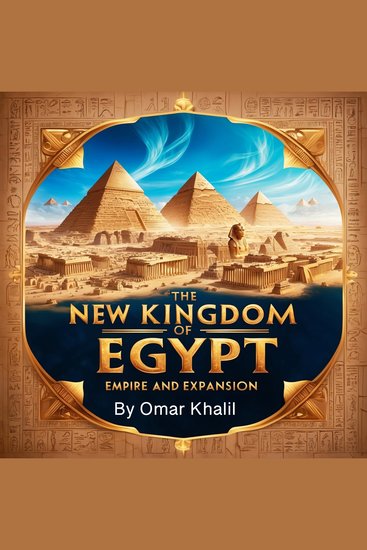
  • The New Kingdom of Egypt - Empire and Expansion - cover

    The New Kingdom of Egypt -...

    Omar Khalil

    • 0
    • 0
    • 0
    The rise of the New Kingdom marks one of the most pivotal periods in Egyptian history, signaling the transformation of Egypt from a regional power to an expansive empire. This era began with the fall of the Middle Kingdom, a time of political instability and foreign invasions. As Egypt struggled with weak leadership and incursions from Asiatic and Nubian forces, the foundations were laid for the emergence of a new, more robust regime. 
    The decisive moment came with the reign of Ahmose I, who is credited with founding the 18th Dynasty and expelling the Hyksos invaders from the Delta region. Ahmose's victory over these foreign rulers was symbolic not only of military prowess but also of a reassertion of Egyptian identity and unity. This victory allowed the pharaohs of the New Kingdom to solidify their power and embark on territorial expansion that would characterize much of their rule. 
    Ahmose's successors built upon his military success. They began to push Egypt's borders further into Nubia to the south and the Levant to the north, extending Egypt’s reach and influence. The New Kingdom was thus defined by an ambitious policy of imperial expansion, which required a well-organized military and a stable central government. The initial successes of the 18th Dynasty laid the groundwork for the period's most famous rulers, such as Thutmose III, whose campaigns in Syria and Palestine created an empire that stretched far beyond Egypt’s traditional borders.
    Ver libro
  • She drew me on the train - A short Story - cover

    She drew me on the train - A...

    Louise Usher

    • 0
    • 0
    • 0
    This short story is based on a true experience, travelling from London to Kent. Sharing a carriage with a family from America, Lou was interested to find out why they were travelling to the Kent coast.  
    A trespasser on the tracks kept the train stuck in a station while Lou hoped to write some romance into her next book. What she hadn't realised is she was being watched.
    Ver libro
  • Northern Indian Invaders - Empires of Foreign Origin (3 in 1) - cover

    Northern Indian Invaders -...

    Rolf Hedger

    • 0
    • 0
    • 0
    Northern India has long been a battleground for powerful invaders who established vast empires, shaping the region’s culture, politics, and economy. Among these, the Kushan Empire, the Delhi Sultanate, and the Mughal Empire stood out for their foreign origins and lasting influence on Indian civilization.  
    The Kushans, originally from Central Asia, played a vital role in connecting India with the Silk Road, fostering trade and spreading Buddhism across the subcontinent.  
    The Delhi Sultanate, founded by Turkic and Afghan rulers, introduced Islamic governance, transforming India's political landscape through military conquests and administrative innovations.  
    Later, the Mughal Empire, with its Timurid roots, brought about a golden age of Indo-Islamic culture, marked by architectural marvels like the Taj Mahal, advancements in art, and economic prosperity.  
    These empires, though foreign in origin, became deeply intertwined with India's history, leaving behind a complex yet enduring legacy of conquest, governance, and cultural exchange.
    Ver libro
  • Circling Home - What I Learned By Living Elsewhere - cover

    Circling Home - What I Learned...

    Terry A Repak

    • 0
    • 0
    • 0
    When Terry Repak and her husband moved to West Africa with two small children at the height of the AIDS epidemic in the 1990s, she seized the opportunity to connect with people of other cultures and bear witness to the ravages of the disease. "Circling Home" chronicles the adventures and challenges of raising children overseas and trying to find home in countries as diverse as Ivory Coast, Tanzania, and Switzerland. Her memoir spotlights the complexity, struggles, and profound lessons at the heart of the expat journey.
    Ver libro
  • Befriending China - cover

    Befriending China

    Dee Knight

    • 0
    • 0
    • 0
    Befriending China tells the story of China's current effort to "open up" to a flood of visitors, as part of a campaign of "People-To-People Peacemaking." The story is partially based on three visits to China from late 2023 through late 2024. It describes the impressive achievements China has made in infrastructure, education, health care, and poverty alleviation. It includes an in-depth eye-witness account of visiting Xinjiang, debunking official rumors in the US of abuse of the Uyghur population there. It also highlights exciting tourism opportunities, with closeup looks at the mountainous Guizhou and Shanxi provinces, and the amazing "megacities" of Shanghai, Beijing, Chongqing, Hangzhou and Suzhou. It includes a preface by Carlos Martinez, editor of the Friends of Socialist China website. It also examines China's democratic system, and its successful foreign policy based on common prosperity and a shared future. Finally, it details ongoing US efforts to slander China and prepare for war against it, arguing that China is not our enemy.
    Ver libro